Whole-home repiping (PEX or copper) and water line replacement
Homeowners searching for Keene NH plumbers who handle whole-home repiping are usually dealing with one of two things: water that no longer runs clean and strong, or a pipe that has already failed once and seems likely to do it again. Repiping replaces the supply lines running through your house — the hot and cold distribution that feeds every fixture — with new PEX or copper. Water line replacement covers the buried service line running from the municipal main or your well to the point it enters the house. Keene's housing stock makes this a real concern rather than a theoretical one. A city of roughly 23,000 people with neighborhoods full of Victorians, farmhouses, and mid-century capes means a lot of homes still carry galvanized steel supply lines, early copper joined with lead-bearing solder, or polybutylene from a 1980s renovation. Add long, cold Monadnock-region winters, unheated crawl spaces, and basements that sit below frost depth, and you get pipes that have been stressed for decades. Done properly, a repipe is a once-in-a-lifetime job. The independent, licensed and insured plumbing providers you connect with here handle it as a planned project — mapped out, permitted where the City of Keene requires it, inspected, and finished with your water back on the same day wherever the scope allows.
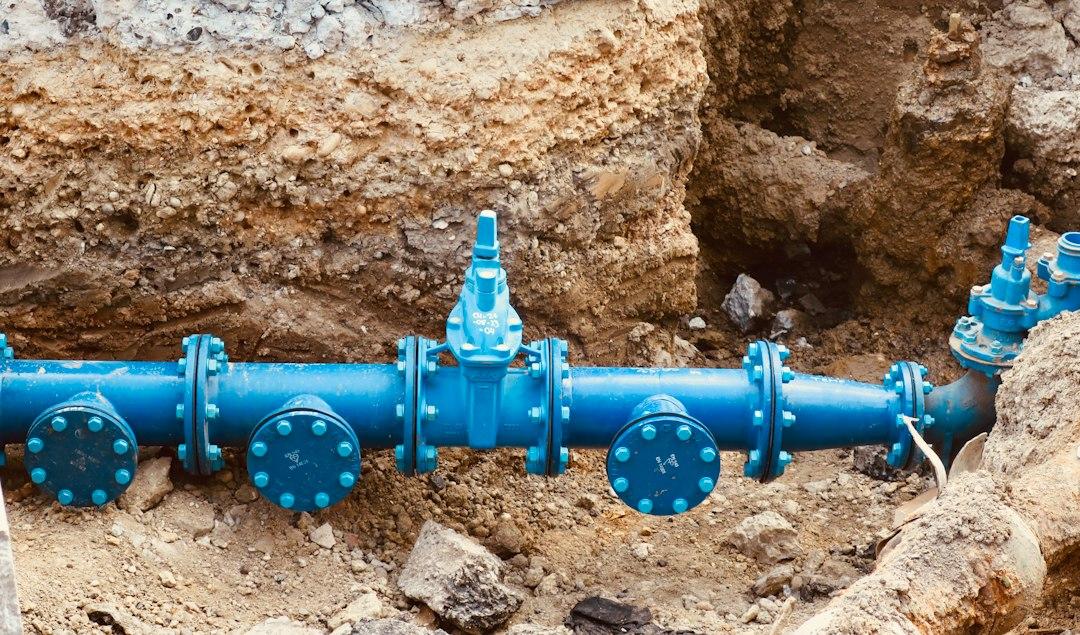
What Drives the Cost
The single biggest cost driver is the number of fixtures and the distance between them. A compact two-bath cape with a centralized plumbing wall is a very different job from a three-story Victorian off Court Street where the bathroom was added over a kitchen in 1952 and the lines wander through three framing bays to get there. Providers generally price by fixture count, pipe run length, and the number of access points they need to open. Material choice matters next. PEX costs less per foot, installs faster, flexes rather than bursting if it freezes, and needs far fewer open walls because it can be fished through cavities. Copper costs more in both material and labor, requires soldered or pressed joints at every turn, but holds up to UV, high temperatures, and mechanical abuse in exposed basement runs. Many Keene repipes end up as a hybrid: copper for exposed basement manifolds and water heater connections, PEX for the concealed distribution upstairs. Access is where estimates swing most. Open basement ceilings and an unfinished attic keep the number low. Plaster-and-lath walls, finished basements, and tile surrounds raise it, because each opening means cutting, patching, priming, and painting. Ask directly whether drywall and plaster restoration is included in the quote or whether you are hiring that separately — the difference can be thousands. Water service line replacement adds excavation. Trenching from the curb stop across a lawn, driveway apron, or mature landscaping costs more than a short run, and a cut-and-patch of asphalt or concrete is a line item of its own. Trenchless pull-through is sometimes possible and reduces restoration cost even when the per-foot price is higher. Finally, timing. Emergency after-hours and weekend response to an actively failing line carries premium rates. A planned repipe scheduled a week or two out is almost always the cheaper path if your water is holding.
What to Expect
It starts with a conversation and a walkthrough. A provider will want to see your basement or crawl space, your water heater, the main shutoff, and at least one or two fixtures. They'll check static pressure at a hose bib, look for a pressure reducing valve (PRV) and whether it's still regulating correctly, and trace what material your existing lines actually are — galvanized, copper, polybutylene, or a patchwork of all three. Expect them to open one small test area rather than guess. You should receive a written, itemized scope before anyone starts: material, fixture count, access points, who patches what, permit handling, and a clear price. Whole-home repiping in Keene typically falls under City permitting with a rough and final inspection, and a licensed provider pulls that permit in their own name — not yours. On work days, crews usually start by opening access, running new lines alongside the old ones while water is still live, then making the cutover. That cutover is the only stretch where the house is dry. For most single-family repipes it runs four to eight hours in a single day, and good providers will tell you the night before so you can fill a few pitchers and plan showers. Multi-day jobs are normally staged so water is restored each evening. After the new lines are pressure-tested, the inspector signs off, and then walls get closed. Expect drywall patching and texture to be a separate day, and paint to be yours unless you've negotiated it in. Old galvanized or polybutylene is typically cut out and hauled away, though sections buried in slab or masonry are often capped and abandoned in place — which is normal and safe. You should leave with a shutoff location walkthrough and any manufacturer warranty paperwork.
Signs You Need This
Discolored water is the classic one. If the first draw in the morning comes out rusty, tea-colored, or carries visible flakes, galvanized steel is corroding from the inside and shedding into your water. In Keene homes built before about 1960 this is common, and it doesn't improve on its own — the interior diameter keeps shrinking. Weak pressure at upper floors, especially when two fixtures run at once, points the same direction. If your shower drops to a trickle every time the washing machine fills, the restriction is in the supply lines, not the fixtures. Before assuming a repipe, a provider should check whether the pressure reducing valve has failed, because a bad PRV mimics the same symptom at a fraction of the cost. Repeat pinhole leaks are the most urgent signal. One pinhole in copper is bad luck; three in two years means the whole system has reached the end of its wall thickness, and you're patching ahead of the next failure. The same applies to polybutylene, which fails at fittings with little warning. Watch for staining on ceilings below bathrooms, a musty smell in a closet that shares a wall with plumbing, warm or soft spots on a basement slab, or baseboards that cup and separate. These suggest a leak that's already been running behind drywall or under concrete, and hidden water damage or mold behind walls is a real possibility worth having assessed before you close anything back up. Other flags: a water bill that climbs with no change in use, a meter dial that creeps with every fixture off, visible green or white crust at copper joints, and water that's slow to arrive hot. If your water heater is also past ten years with a spent anode rod and heavy sediment, it's worth deciding on repair versus replacement while the walls are open rather than six months later.
Choosing a Provider
Start by confirming the basics. Any provider doing whole-home Keene NH plumbing work should hold a current New Hampshire plumbing license, carry general liability insurance, and carry workers' compensation for anyone on your property. Ask for the license number and certificate of insurance — a legitimate provider sends both without hesitation, and you can verify the license with the state board yourself. Then ask about permits specifically. If someone offers to skip the permit to save you money, that's the end of the conversation. An unpermitted repipe becomes your problem at resale, and it means no independent inspector ever verified the work. Ask for a fixture-by-fixture written scope rather than a lump sum. Good questions: Which material are you recommending for my house and why? Are you using expansion, crimp, or press fittings, and what's the warranty on each? How many access openings do you estimate, and are patching and texture included? Who restores the lawn or driveway if the service line is being replaced? How long will water be off, and on which day? Ask how they'll handle the unexpected — because in Keene's older homes there's almost always something: knob-and-tube running the same bay, a cast iron DWV stack that's rotted at the base, a P-trap or cleanout that was never installed to code during an old remodel. You want a provider who flags it, prices it separately, and lets you decide, not one who either hides it or uses it as leverage mid-job. Finally, compare at least two written quotes on the same scope. A quote that's dramatically lower usually excludes restoration, permits, or the water heater connections. Clarity beats the lowest number every time on a job this size.
How long will my water be shut off during a whole-home repipe?
For most single-family homes in Keene, water is off for one working day — commonly four to eight hours. Providers typically run the new PEX or copper lines alongside the existing system while your water is still live, then shut down only for the final cutover, pressure test, and reconnection at the water heater and main. On larger or multi-story homes the job may span two or three days, but a well-run crew stages the work so water is restored each evening before they leave. You should be told the exact shutoff day in advance so you can fill pitchers, run laundry beforehand, and plan showers. If someone can't give you a straight answer on the shutoff window before work begins, treat that as a planning problem, not a technical one.
Is PEX or copper better for a repipe in the Keene area?
Both are code-compliant and both will outlast most homeowners' time in the house. PEX is flexible, installs with far fewer wall openings because it can be fished through framing cavities, costs less in labor, and tolerates a freeze better than rigid pipe — a meaningful advantage in a Monadnock-region winter with unheated crawl spaces. Copper is more rigid and more expensive, but it's the better choice for exposed basement runs where pipes can be bumped, for connections near a water heater where temperatures are highest, and anywhere UV exposure is a factor. A lot of Keene repipes end up hybrid: copper at the basement manifold and heater, PEX for concealed distribution upstairs. The right answer depends on your house's layout and how much wall you're willing to open, which is exactly what the walkthrough and written scope should settle.
Who repairs the drywall, concrete, or landscaping after the pipes are replaced?
That depends entirely on the quote, which is why you need to ask before signing. Some providers include drywall patching and texture in their price but stop short of painting. Others cut access, run the new lines, and leave finish work to you or a separate contractor. For a buried water service line replacement, the same question applies to the trench: ask whether backfill, grading, loam and seed, and asphalt or concrete patching at a driveway apron are included or excluded. Trenchless pull-through methods can reduce restoration cost significantly even when the per-foot price looks higher, because they avoid opening the full length of the lawn. Get the restoration scope spelled out in writing, line by line, in the same document as the plumbing work — it's one of the most common sources of surprise cost on a job like this.
Coverage area